

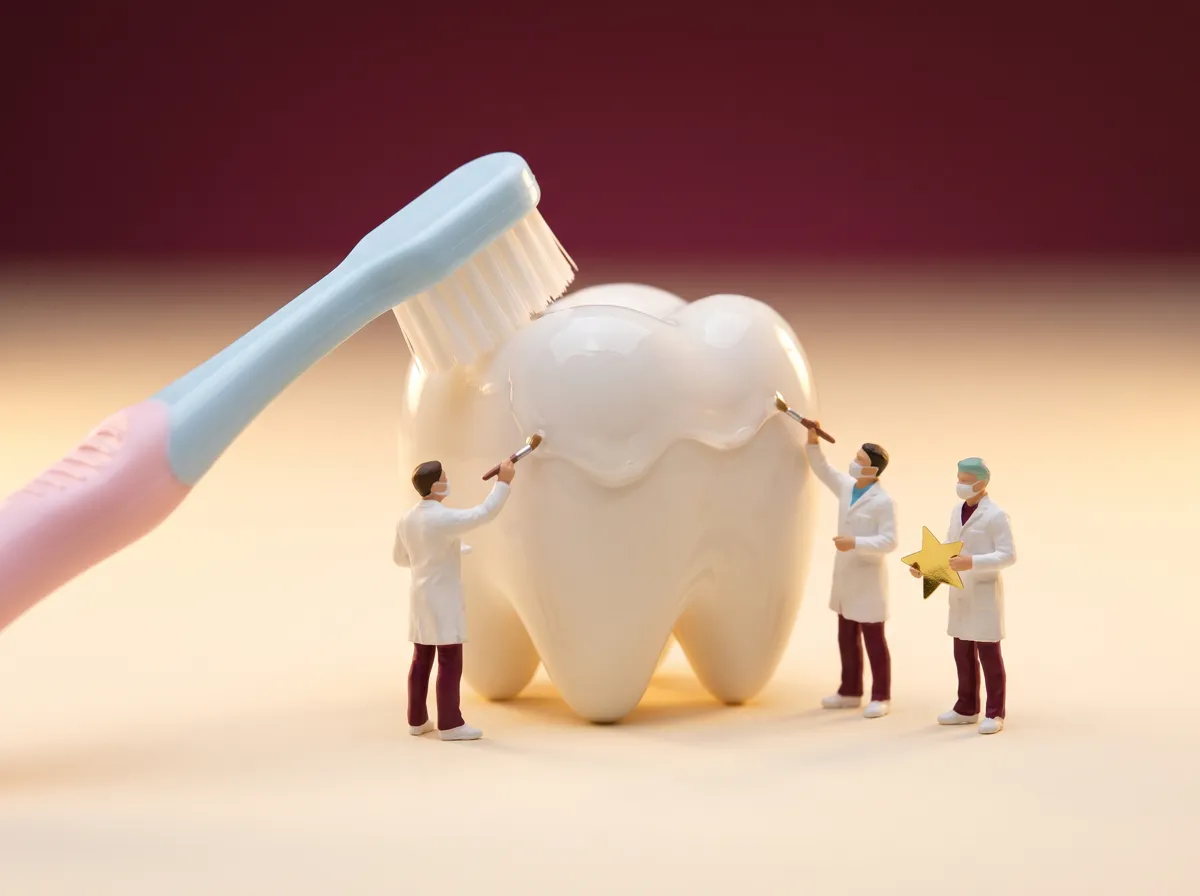
Short answer: the American Dental Association advises a first dental visit when the first tooth appears, and no later than the first birthday. Fluoride toothpaste and sealants help protect teeth. In an emergency, put a knocked-out adult tooth back in its socket if you can and see a dentist at once, but never a baby tooth. Swelling that affects breathing or swallowing needs a hospital emergency department.
When should my child first see a dentist?
The American Dental Association (ADA) advises a first visit any time after the first baby teeth break through, and no later than the child's first birthday. It compares this visit to a well-baby check-up for the teeth.
That is earlier than many parents expect. A baby is born with all 20 baby teeth already inside the jaw. The first ones usually appear around 6 months, most often the lower front teeth, and most baby teeth are through by about age 3.
What happens at the first visit?
A first visit is usually short, and it is mostly about looking and talking. The dentist checks the teeth and gums, talks with you about brushing, feeding and habits such as a pacifier or thumb-sucking, and answers your questions. What exactly happens depends on the dentist and on your child's age.
You can help by:
- choosing a time of day when your child is rested and fed
- talking calmly and simply about "counting teeth" instead of describing what might hurt
- bringing your questions, and a list of any medicines your child takes
How do I protect my child's teeth every day?
The ADA's advice for home care is simple:
- Before teeth appear: wipe the gums with a damp cloth or gauze after feeds.
- Once teeth appear: brush twice a day with a small, soft brush and fluoride toothpaste, about the size of a grain of rice. You do the brushing at first.
- When two teeth touch: start cleaning between them with floss.
- From age 3 to 6: use a pea-sized amount of fluoride toothpaste, brush for at least two minutes, and supervise your child.
Your dentist can tell you whether your child needs anything extra, such as more fluoride, after looking at the teeth.
What are fissure sealants?
Sealants are a thin protective coating that bonds to the chewing surfaces of the back teeth, where deep grooves trap food and bacteria. The ADA says they supplement brushing and flossing and do not replace them.
First adult molars usually appear around age 6 and second molars around age 12, so those are the usual times to ask about sealants. Placing one takes a few steps: the dentist cleans and dries the tooth, applies a gel to roughen the surface, rinses and dries it again, paints on the sealant and hardens it with a blue light. Sealants often last several years, and the dentist checks them at regular visits and replaces them if needed.
What should I do in a dental emergency?
Stay calm and phone your dentist first. If you cannot reach one, go to a hospital emergency department. If the injury came with a blow to the head, or your child seems unwell, go to a hospital emergency department first. The tooth can wait.
A knocked-out tooth: adult tooth or baby tooth?
The NHS gives different advice for the two.
Adult (permanent) tooth:
- Pick it up by the crown (the white part), not the root.
- If it is dirty, rinse it gently in milk or saliva.
- Try to put it back into the socket. If it goes in easily, ask your child to bite gently on a clean cloth to hold it.
- If it will not go back in, keep it in milk, or in saliva (a parent spits into a clean container for a child).
- See a dentist as soon as possible, even if you cannot find the tooth.
Baby tooth: do not put it back. Doing so could damage the adult tooth growing underneath. Take your child to a dentist to be checked. If you are not sure which kind of tooth it was, do not push it in: keep it in milk and see a dentist straight away.
A broken or chipped tooth
A chipped tooth needs a dentist to check it, even if it does not hurt. If a piece has come off, bring it with you. See a dentist soon if there is pain or bleeding, or if a rough edge is cutting the tongue or lip.
Toothache and swelling
The NHS advises seeing a dentist if toothache lasts more than two days or does not ease with painkillers, or if it comes with a high temperature, a bad taste, pain when biting, red gums or a swollen cheek or jaw. For a child, ask a pharmacist about suitable pain relief. Children under 16 should not take aspirin, and children should not use salt-water rinses because they may swallow them.
Go to a hospital emergency department straight away if there is swelling around the eye or neck, or swelling in the mouth or neck that makes breathing, swallowing or speaking difficult. Our article on toothache and root canal treatment explains more.
Questions to ask at the first visit
- Is my child's brushing good enough, and what should I change?
- Does my child need extra fluoride?
- When should sealants be considered for the back teeth?
- How often should my child come for check-ups?
- Who do I call if there is an accident outside clinic hours?
Children's dentistry at MOC
At Mohammad Orthodontic Center on 18th November Street in Muscat, our children's dentistry service covers check-ups, fillings, prevention, fluoride, fissure sealants and emergency care, and your child can see any of our doctors.
To book a first visit or ask about an injury, send us a message on WhatsApp or call the clinic on +968 2207 7550, and our team will reply. If your child has swelling that spreads or makes breathing or swallowing hard, do not wait for a reply: go to a hospital emergency department.